




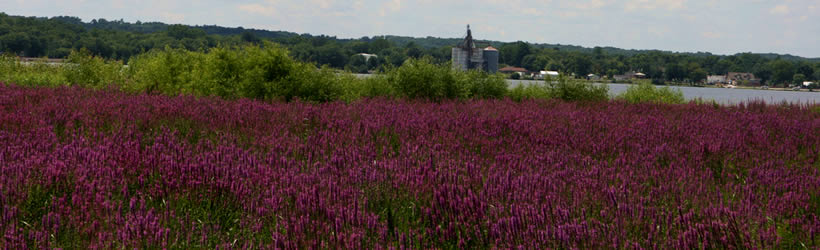
In the 1830s and '40s Nauvoo was one of the largest cities in the state, a thriving, Mormon-founded town with a population of more than 10,000. By the late '40s an exodus of Mormons to the west had reduced the town's population to 2,000. Now, visitors come to explore the city's numerous, restored historical venues and enjoy festivals, wine and outdoor recreation. The city, population 1,000, draws more than 250,000 visitors each year.
Four visitors' centers, Historic Nauvoo Visitors Center, Joseph Smith Historic Visitors Center, Nauvoo Christian Visitors Center and the Nauvoo Temple Visitors Center, provide displays, artifacts, genealogy records and guided tours of the area. Many of the original buildings from the city's peak have been restored and hold center stage in the historic and business districts. Buildings of specific importance to the Church of Jesus Christ of Latter-day Saints include founder Joseph Smith's Homestead and the restored Nauvoo Temple, as well as the site of his death, Carthage Jail, located south of the city. Hymns and folksongs highlighting the settlement of the city are performed during a weekly Nauvoo Pageant, July through August.
Visitors can explore 19th century life at more than 40 sites like the Family Living Center, where rope making and weaving are demonstrated. Other restored shops provide glimpses of brick making, gunsmithing and boot making. A drug and variety store, schoolhouse, post office, newspaper printing press, bakery and other sites can be toured.
The city is home to Baxter's Village, the state's oldest winery. In September, the Nauvoo Grape Festival celebrates the area's winemaking heritage. Outside of the city, visitors can take trail rides, golf with a Mississippi River backdrop or camp, hike, boat and fish at Nauvoo State Park.
Nauvoo is 125 miles west of Peoria and 47 miles north of Quincy. It is located on State Highway 96. In addition to hotels and motels, there are bed and breakfasts, guesthouses, log cabins and condominiums.